PTP joins with John Conway of 20/15 Visioneers to discuss the path for AI in Life Sciences. 2023 and 2024 have brought AI into almost every technology conversation. In most instances, the AI discussion is about “how can we harness the value in the future”? For drug discovery, most data environments will have to walk before they run.
Download the latest white paper on Scientific Data Management: Best Practices to Achieve R&D Operational Excellence
In this webinar PTP and 20/15 Visioneers will discuss:
- AI – the “it” word for 2024
- What is “The Rational AI Architect”
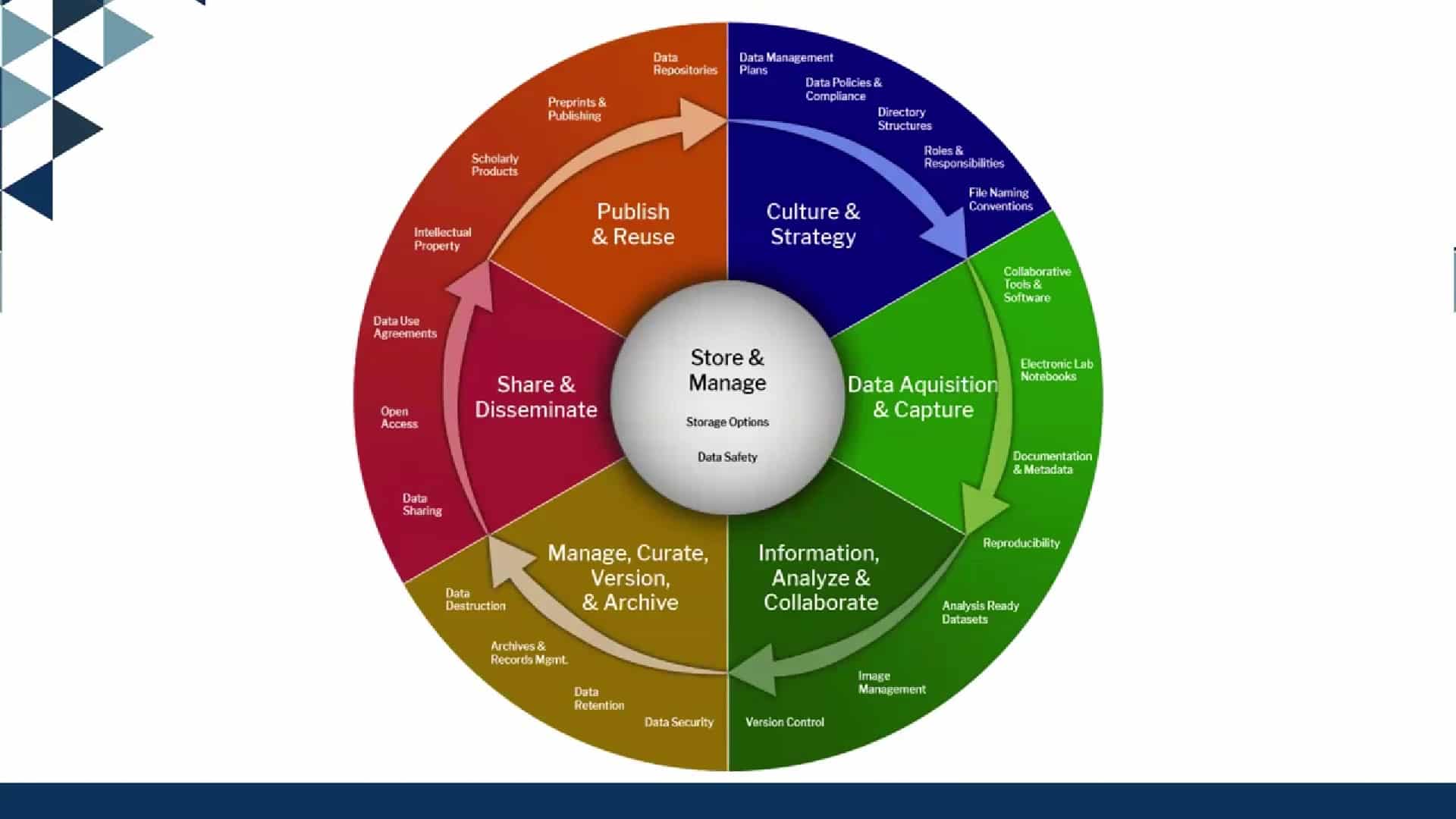
- Best Practices for Early Stage Life Sciences data environments
- Case studies of PTP getting data “ready”
- Roadmap for leveraging AI
Artificial Intelligence (AI) is transforming industries across the board, and life sciences is no exception. From drug discovery to gene therapy, AI is enabling significant efficiency gains. However, with AI’s potential comes a need for careful planning and execution.
The Role of the Rational AI Architect
The concept of the rational AI architect revolves around building AI solutions with a focus on first principles. This approach aims to create robust AI solutions that are not over-engineered or overly complex. It emphasizes understanding the core problem, assessing existing resources, and developing a strategy to build efficient AI systems.
The rational AI architect avoids getting swept up in the hype surrounding AI, focusing on the foundational work required to ensure AI’s success in the life sciences field. This includes data acquisition, management, and security practices, along with considerations for the cultural shift required to adopt AI effectively.
Building a Culture of Data-Driven Decision-Making
A successful AI initiative starts with a culture that views data as an asset. Organizations need to cultivate a mindset where data is seen as a valuable resource that requires proper governance and management. Without this cultural foundation, AI projects are likely to encounter significant obstacles.
The panelists emphasized the importance of having a clear data strategy that encompasses data tagging, contextualization, and versioning. By establishing these practices, life sciences companies can build a foundation that supports AI and machine learning (ML) initiatives. As one panelist mentioned, “data is currency,” and managing it effectively is key to success.
Key Challenges and Solutions
The challenges associated with AI in life sciences can be broadly categorized into cultural, data-related, and security challenges. Here’s a breakdown of some key takeaways from the discussion:
- Cultural Challenges: Creating a culture that values data and understands the importance of AI requires effort. Organizations should establish incentives to encourage proper data management and compliance.
- Data Challenges: To achieve AI success, companies must ensure that their data is findable, accessible, interoperable, and reusable (FAIR). This includes developing a scientific data strategy, assessing the health of existing data, and maintaining proper versioning and tagging practices.
- Security Challenges: Security is a top concern in AI adoption. It’s crucial to ensure that sensitive data is protected, and the right protocols are in place to maintain compliance with industry regulations. Implementing a comprehensive security strategy is a fundamental step.
Establishing an AI Center of Excellence
To ensure successful AI adoption, the panelists recommended establishing an AI Center of Excellence. This approach brings together a team of experts to oversee AI initiatives, ensuring that they align with organizational goals and best practices. The AI Center of Excellence can help:
- Define the scope of AI projects and set clear objectives.
- Provide guidance on foundational model selection.
- Ensure compliance with data governance and security protocols.
- Facilitate cross-functional collaboration and knowledge sharing.
The Path Forward
AI has the potential to revolutionize life sciences, but it requires a thoughtful approach. Organizations should start small, focus on building a solid data foundation, and establish the right culture to support AI adoption. The rational AI architect approach encourages a stepwise, iterative process that prioritizes data quality, security, and stakeholder collaboration.
With AI and ML evolving rapidly, companies need to adapt to changing technologies while staying grounded in proven methodologies. By embracing the rational AI architect approach, life sciences organizations can navigate the complexities of AI and unlock its full potential.
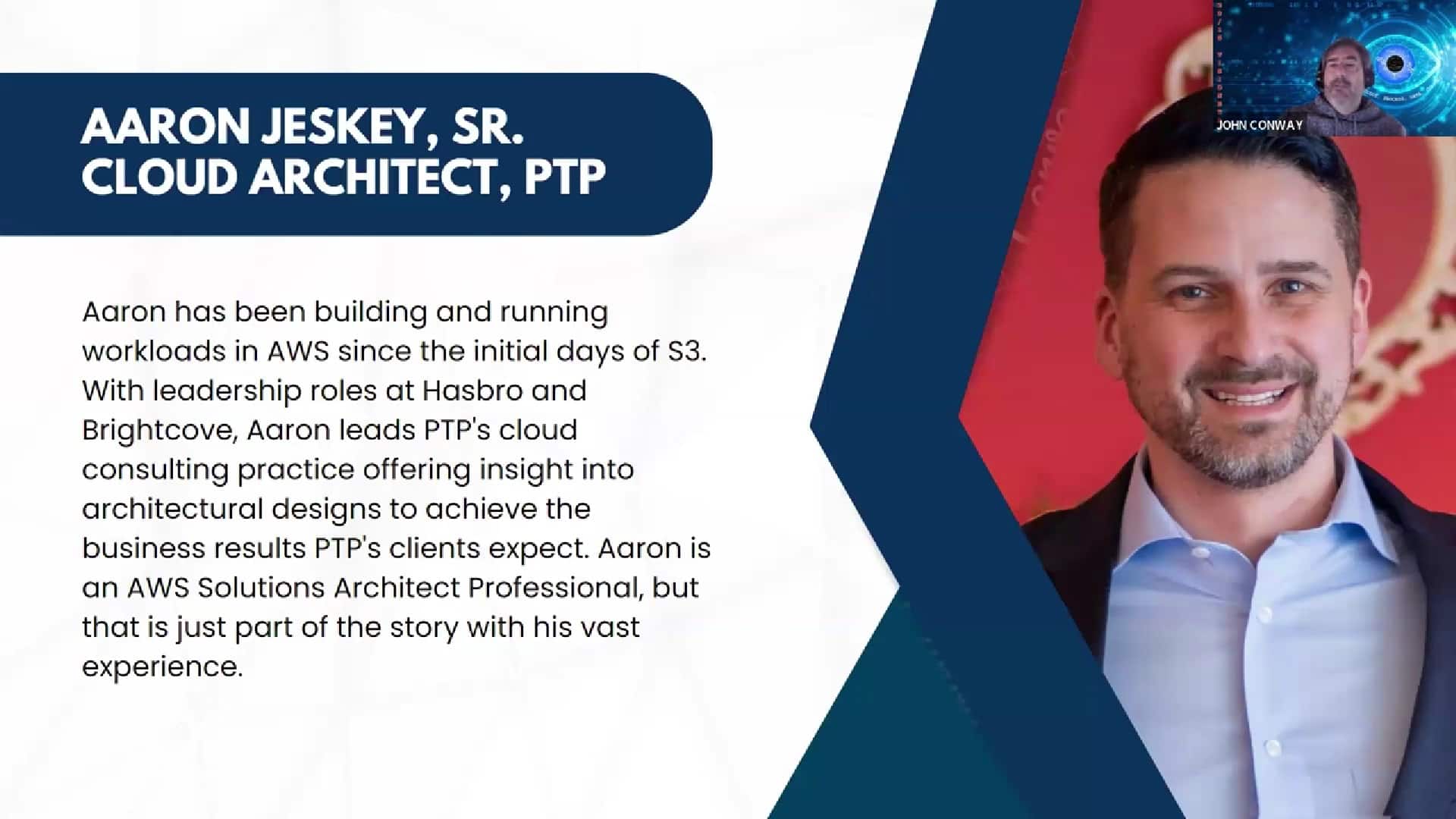
Speakers