


PTP helps biotechnology companies build cloud infrastructure that makes research workflows more reproducible, scalable, and easier to validate. By combining automation, centralized data management, containerized applications, and secure collaboration tooling, biotech teams can move faster while strengthening the trust, transparency, and operational maturity investors expect.
What biotech teams need to validate research and prepare for funding
Biotech startups improve research validation and funding readiness when they make scientific workflows reproducible, centralize research data, support secure collaboration, and design infrastructure that can scale without losing control. The goal is not just speed. It is trusted, repeatable progress.
What this article covers
- Pipeline scaling and workflow automation
- Secure data transfer and a single source of truth
- Containerization for consistent research applications
- Amazon Omics and data lake capabilities
- Electronic lab notebooks and research standardization
- Secure collaboration environments for CROs
- Infrastructure as code for long-term scale
Consideration 1
How do biotech teams scale pipelines and make research workflows reproducible?
One of the fastest ways to strengthen research validation is to streamline and automate data processing pipelines. When pipelines are repeatable and easier to scale, teams reduce manual variation and improve confidence in outcomes.
PTP supports both homegrown pipelines and industry-standard tools such as Nextflow, which helps scientific teams orchestrate scalable, reproducible workflows with software containers. Teams can also integrate tools such as Cell Ranger, Seurat, Picard, and STAR Aligner with cloud services to support higher-throughput processing.
Combined with AWS services such as EC2, Elastic Load Balancing, Auto Scaling, Lambda, and Fargate, these workflows become more scalable, more cost-efficient, and easier to replicate across growing research environments.

Consideration 2
Why does centralized research data matter for validation and funding readiness?
Data integrity is central to biotech research validation. Teams need a trusted, centralized environment that brings together clinical trial data, internally generated data, public repositories, and files shared by contract research organizations.
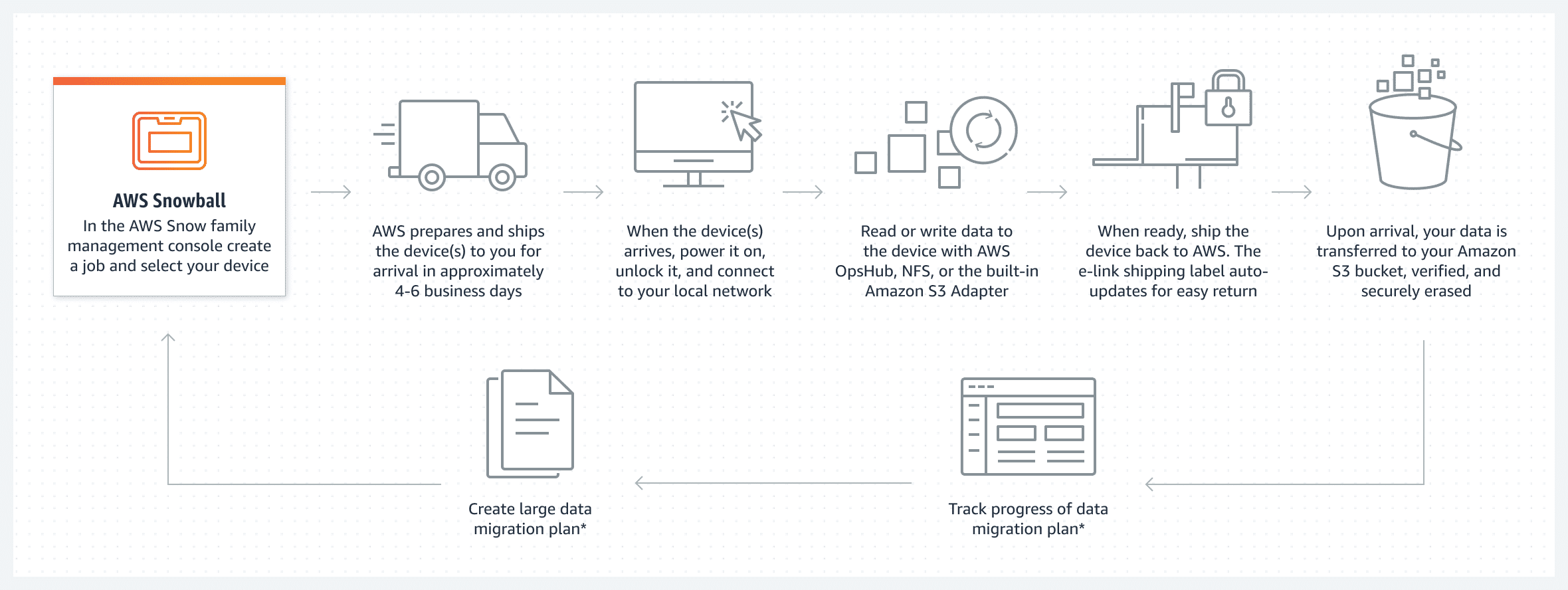
PTP supports secure and efficient transfer workflows using AWS Transfer Family services and data migration options such as Snowball and Snowcone. We also support integrations with platforms such as Tetrascience, Quilt, and Benchling.
The result is a more reliable single source of truth that gives teams cleaner data access, stronger traceability, and a better foundation for analysis and review.
Consideration 3
How does containerization improve consistency in biotech research applications?
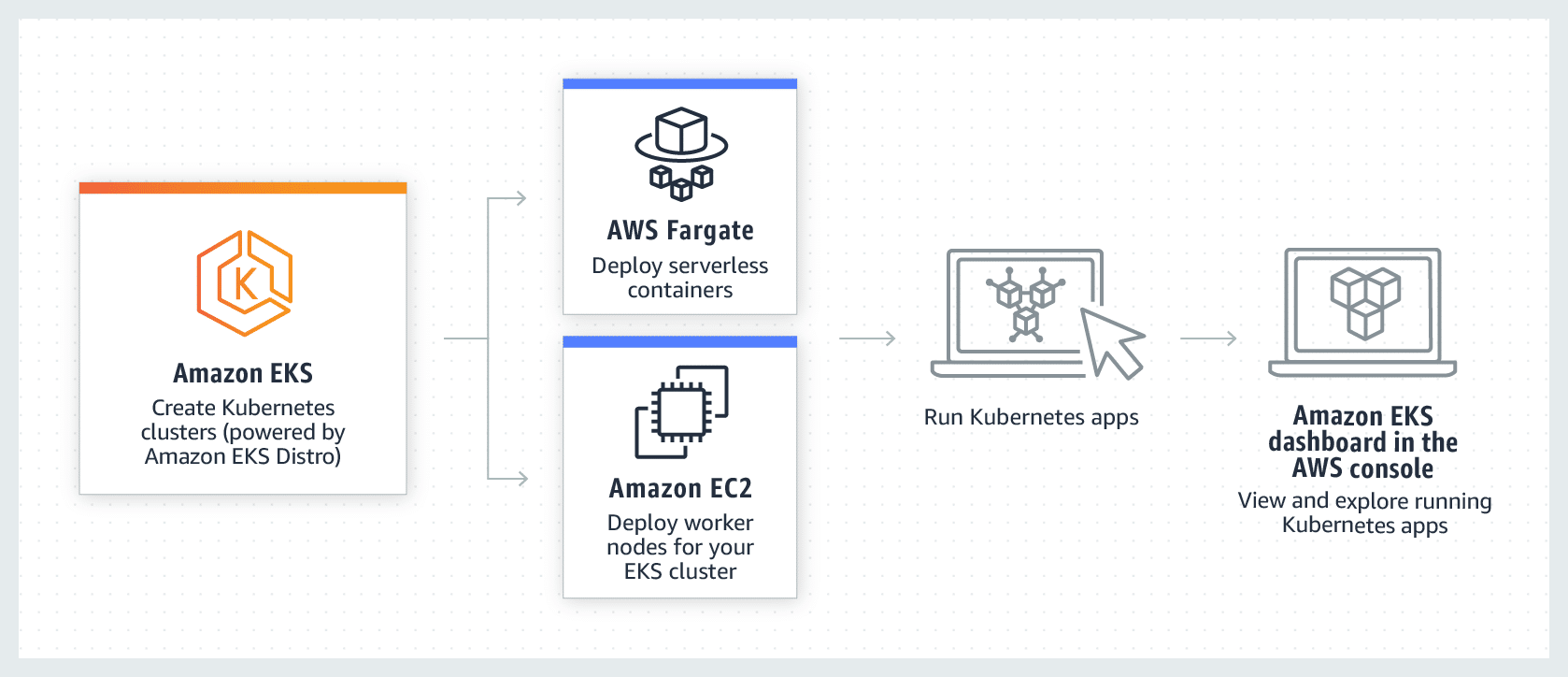
Containerization helps teams run the same application in different computing environments with more consistency. That matters in biotech because reproducibility depends not only on the data but also on the environment used to process it.
Containerized research applications support quicker deployment, better isolation, more efficient use of resources, and easier scaling. They also reduce the friction that often appears when teams move workloads between development, analysis, and production environments.
Consideration 4
What role do Amazon Omics and data lake capabilities play in genomics research?
For genomics-heavy organizations, cloud-native data and workflow services can significantly simplify large-scale analysis. PTP supports Amazon Omics to help biotech teams process genomics data and run bioinformatics workflows more efficiently in the cloud.
We also help organizations build data query and analytics capabilities with AWS Athena and data lake approaches that make structured and unstructured research data easier to query, visualize, and analyze.
This creates a stronger platform for dashboards, analytics, machine learning, and decision-making across large volumes of research data.

Consideration 5
Why do electronic lab notebooks help standardize biotech research?
Electronic lab notebook platforms help standardize experimental records, improve collaboration, and make data more usable across teams. In practice, this improves documentation quality and helps reduce inconsistency in how research is captured and reviewed.
PTP supports ELN solutions such as Benchling and Dotmatics, helping biotech organizations create stronger documentation practices and more reliable data standardization.

Consideration 6
How can biotech companies support secure collaboration with CROs and partners?
Each CRO relationship and research collaboration comes with its own access, security, and workflow requirements. Biotech teams need collaboration environments that are flexible enough to support partner work without exposing sensitive data broadly.
PTP helps build secure, siloed environments for specific clients and research collaborations so teams can work with external partners while protecting confidentiality and maintaining stronger control over research data.
Consideration 7
Why should biotech startups adopt infrastructure as code early?
Infrastructure as code helps biotech companies build systems that are easier to reproduce, document, scale, and govern. When infrastructure is defined in code, teams reduce manual configuration drift and create a more transparent operational foundation.
Early adoption of infrastructure as code makes it easier to grow without rebuilding core systems later. It also supports the consistency and traceability that matter when organizations are preparing for audits, partnerships, or new funding rounds.
What this means
Cloud infrastructure can help biotech teams move faster and build trust
Research validation is not only about scientific output. It is also about whether the systems behind the work are reliable, repeatable, and ready to scale. The right cloud architecture helps biotech startups reduce risk, improve data integrity, and present a stronger operational story to partners and investors.
With support for scalable workflows, centralized data, secure collaboration, and more reproducible infrastructure, PTP helps biotechnology teams build a stronger foundation for both scientific progress and funding readiness.
FAQ
Frequently asked questions about biotech research validation and cloud infrastructure
How can biotech startups improve research validation?
Biotech startups can improve research validation by automating pipelines, centralizing data, standardizing documentation, using reproducible infrastructure, and creating secure collaboration workflows for research partners.
Why does reproducibility matter for biotech funding readiness?
Reproducibility helps investors, partners, and internal teams trust that research workflows and results can be repeated and scaled. It also reduces operational risk as organizations grow.
What does Amazon Omics do for genomics research?
Amazon Omics helps teams process genomics data and run bioinformatics workflows in the cloud, making large-scale genomics analysis more accessible and operationally efficient.
How do ELN platforms support validation and collaboration?
ELN platforms help standardize experimental documentation, improve collaboration, and make research data easier to organize, review, and share across teams.
Why is infrastructure as code important for biotech companies?
Infrastructure as code makes systems easier to reproduce, govern, and scale. It reduces manual configuration issues and creates a more transparent technical foundation for growth.
Next step
Need a stronger cloud foundation for biotech research and funding readiness?
PTP helps biotech teams build secure, scalable cloud environments that support reproducible science, data integrity, and faster growth.